

Is the UK likely to jump on the social media 'ban' wagon?
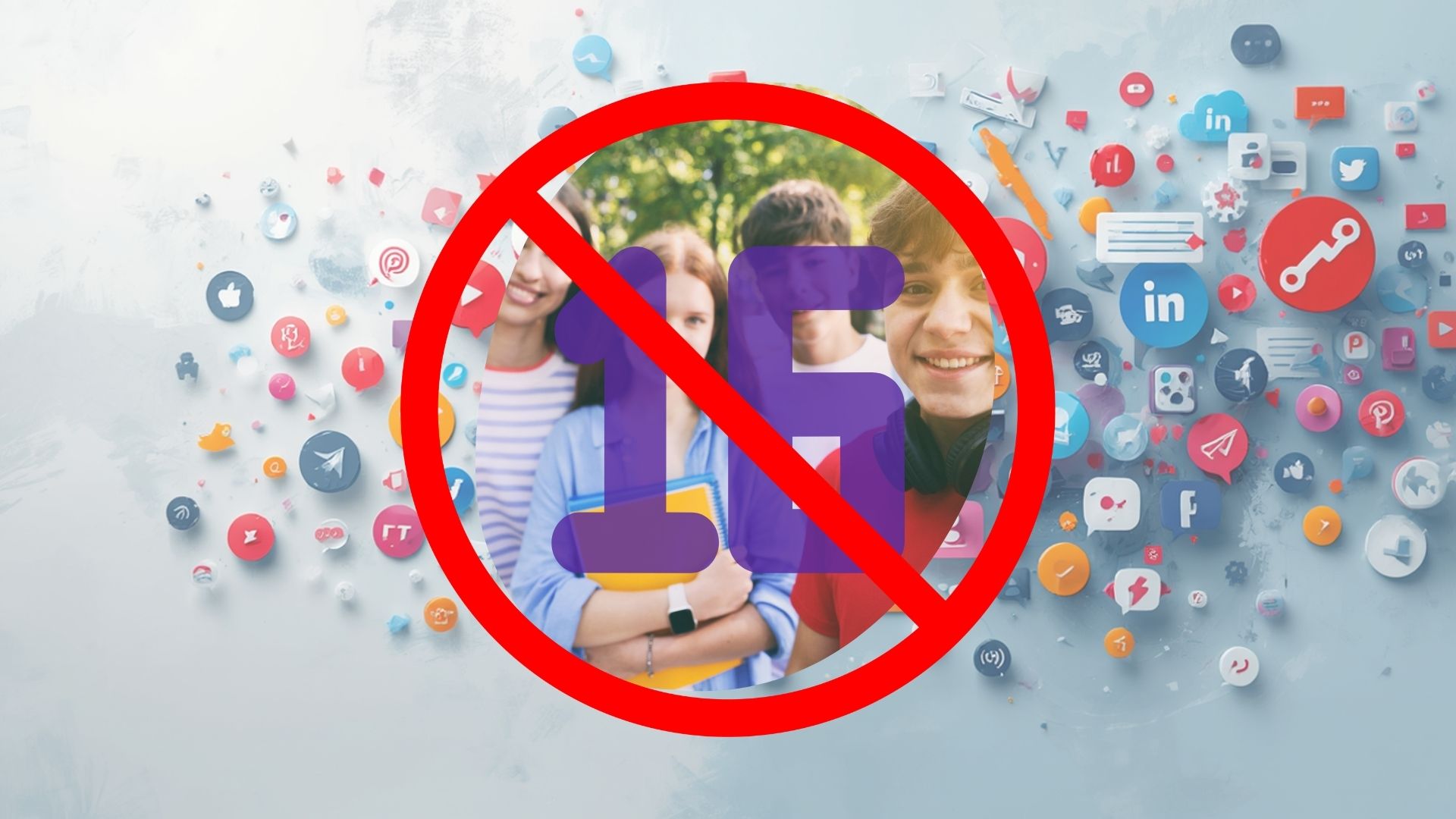
As concern grows about the negative impact social media can have on the lives of children and young people, the voices calling for a ban grow ever louder. Australia was the first nation to introduce a ban on social media for under-16s on 10 December 2025, with other countries, including France, Portugal, Italy, Spain, Greece and Malaysia, planning similar measures in the coming months. Other countries are considering options to protect children, ranging from restricting access to certain platforms to an outright ban. So far, the UK has resisted moving towards a complete ban, with a vote in early March rejected; however, with additional powers given to the Secretary of State, a ban could still materialise.
Harm associated with social media is a global concern; however, there is little evidence of the impact that bans or restrictions are likely to have, as this remains largely uncharted territory.
There is a history of specific products being banned for consumption below a minimum age, such as tobacco, alcohol, and, more recently, vapes and energy drinks; however, these products are very different from social media, being demonstrably harmful, with scientific evidence to support such claims.
Social media, on the other hand, is a far more complex space, with a mix of documented harms but also many positive features. This has split opinion on whether a ban is the right way forward, across many groups including parents, teachers, academic experts, politicians and young people. Let’s take a brief look at the pros and cons of a social media ban for under-16s.
Arguments for a social media ban
Parents. The loudest voices in this debate are probably parent groups. Activist organisations such as Smartphone Free Childhood have gathered more than 100,000 signatures in support of their cause. Polling by Netmums found that 83% of parents support a ban for under-16s. Parent advocacy groups focused on child safety are also among those campaigning for a ban.
Politicians. A cross-party group of over 60 MPs have signed a letter backing a ban, and the House of Lords has also voted in support of one.
Ofsted. Chief Inspector Sir Martyn Oliver has reportedly said he is in favour of an Australia-style ban.
Education. Some education leaders and unions have voiced their support for a ban, but there is no universal agreement among educators on this approach.
Arguments against a ban
Parents. Not all parents support a ban, including those whose children have been negatively affected by social media. Most notably, Ian Russell, father of Molly Russell, who died after viewing harmful content, opposes a blanket under-16 social media ban, arguing it is a “sledgehammer” approach that risks unintended consequences. Instead, he urges enforcing current laws, strengthening the Online Safety Act, and holding tech companies directly accountable.
Charities. At least 42 charities, including the NSPCC, Childnet and the Mental Health Foundation, have spoken out against a total ban, arguing that it is the “wrong solution”. They believe a blanket ban could create a false sense of safety, drive children to unregulated “darker corners” of the internet, and that stronger enforcement of existing child safety rules would be more effective.
Educators. Some educators believe a total ban is not the answer and instead favour safer, more regulated access. Concerns have been raised that a ban could drive children to less safe areas of the internet or restrict access to educational content available on some platforms.
Academics. Dr Emily Setty, who has worked extensively with teenagers and young people on a range of issues affecting them, warns of the danger of “simple fixes” and is one of many academics opposed to a social media ban for under-16s. She argues that we need to address both online and offline harms, as well as the influence of online culture. Read the article she has written for The Conversation here.
Young people. We regularly ask young people about their views on social media through our ‘How Are You?’ student voice survey and collect over 10,000 responses each year. Most reported having a “great” or “mostly ok” relationship with social media. Among 11–14-year-olds, this figure is 95%, rising to 99% for 14–16-year-olds. However, 33% of the younger group and 38% of older students also report encountering content online that has made them feel anxious, worried or scared.
What’s the solution?
Societal change is complex and usually requires a multi-pronged approach, including regulation, education and a shift in social norms. This tends to move very slowly. However, given the global scale of social media, the increasing use of AI technology, and the enormous power and wealth behind the major platforms, it presents a huge challenge, further exacerbated by the lightning speed of development and change in this industry. Nonetheless, Big Tech, are unlikely to want to be seen as villains, particularly around children and young people’s safety. Instagram has just announced (March 2026) that it is no longer supporting end-to-end message encryption, which completely hides message content. However, this feature is available on WhatsApp, another social media product in the Meta portfolio.
Education. Moving upstream to address some of the underlying causes of harm is one of the most immediately accessible ways to support young people. However, this relies on schools having the time and resources to deliver sessions that build the knowledge and skills needed for children and young people to manage their social media interactions. Chameleon PDE provide schools with high-quality, flexible, editable resources, including many lesson packs to support knowledge and safe navigation of the online world. We regularly update material to reflect legislative changes and new or emerging issues such as AI chatbots or deepfakes.
Legislation & regulation. This may offer some protection if big tech can be held to account. However, age verification systems are not without risks, as they represent yet another form of online personal data collection, and reports of security breaches are not uncommon. The ease with which such systems can be circumvented is also a concern.
Sources:
Smartphone Free Childhood. https://www.smartphonefreechildhood.org/
Mumsnet - https://www.mumsnet.com/news/rage-against-the-screen#:~:text=Responsible%20parenting%20cannot%20compete%20with,are%20being%20poisoned%20by%20tech.
Cross-party group call for social media ban. https://www.bbc.co.uk/news/articles/cz0pnekxpn8o#:~:text=Political%20momentum%20at%20Westminster%20in,our%20children%20are%20being%20harmed%22.
Ian Russell against ban. https://www.theguardian.com/society/2026/jan/26/molly-ian-russell-big-tech-daughter-death-social-media-ban
NSPCC & other charities against social media ban. https://www.nspcc.org.uk/about-us/news-opinion/2026/social-media-ban-three-actions/
The Conversation https://theconversation.com/i-research-the-harm-that-can-come-to-teenagers-on-social-media-i-dont-support-a-ban-273835
Chameleon PDE survey. https://www.chameleonpde.com/survey-only-subscriptions
Instagram drops message encryption. https://www.theguardian.com/technology/2026/mar/18/instagram-to-remove-end-to-end-encryption-for-private-messages-in-may#:~:text=Meta%20quietly%20announced%20this%20month,Instagram%20from%208%20May%202026.